Crypto leverage.Make it make sense.
What does 10× actually change? Why did a trade close on its own? Get clear explanations of futures trading, with examples you can follow at your own pace.
Find your guideThree things to understand first.
Search a topic or jump to a section below.
Get the basics straight
Understand what you’re trading, which price you’re seeing and how you’re paid.

What are crypto perpetual futures?
Follow a Bitcoin futures trade from the money you put in to what’s left after you close it.

How does crypto leverage work?
See what 10× does to gains, losses and the amount you need to put into a trade.

Long vs short: direction and hedges
Trade a rise or a fall. Learn what buying and shorting mean, with the same numbers side by side.

Mark, index and last price
Why the price on your chart can differ from the one that closes your trade.
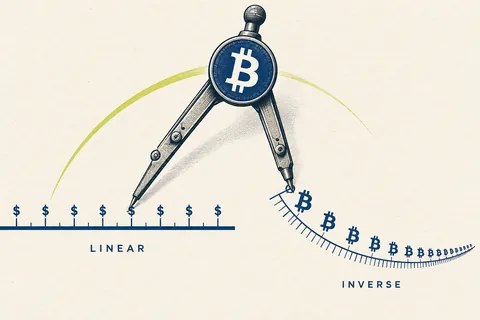
Linear vs inverse perpetuals
Work out your profit in dollars or Bitcoin, and see why the currency changes the calculation.

USDT, USDC or coin settlement?
Choose which currency backs your trade and which one you get when you close it.
Decide how much to put in
Trade size, deposits and the money available when a position needs more room.

Isolated vs cross margin
Keep one trade’s money separate or let it share your account balance. See what changes when it loses.

Initial vs maintenance margin
The amount you need to open a trade is different from the amount needed to keep it open.
Size a position from your loss budget
Start with how much you can lose, then work out how big the trade should be.

Risk tiers and position limits
Why an exchange may reject a larger order or ask you to put more money behind it.

Collateral haircuts and usable value
Find out why $1,000 in crypto may count as less than $1,000 when backing a futures trade.

Portfolio margin vs unified margin
Learn when sharing funds across trades helps, and how different account modes treat your balance.
Know how a trade can end
Set an exit, understand a warning or work out why a trade closed on its own.
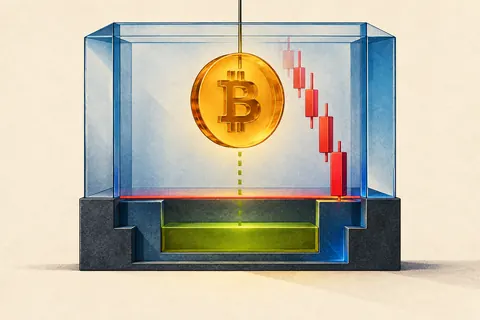
Calculate a liquidation price
Work out the price where an exchange might close your trade, with long and short examples.
Why a stop can fail before liquidation
A stop-loss is an instruction, not a guaranteed exit. See what can prevent it from closing your trade.

Partial vs full liquidation
What happens when the exchange closes just part of a trade, and what stays in your account.

Margin call vs liquidation
What a low-balance warning means, what you can do and why there may be little time to act.

What an insurance fund covers
What an exchange’s insurance fund pays for—and why it doesn’t refund ordinary trading losses.

ADL: why a profitable position closes
Yes, a profitable trade can be closed automatically. Here’s when ADL can happen and what follows.

Liquidation fees by exchange
Understand the extra charges when an exchange closes a losing trade.
Funding rates and holding costs
Find out why you pay—or receive money—while a trade stays open.
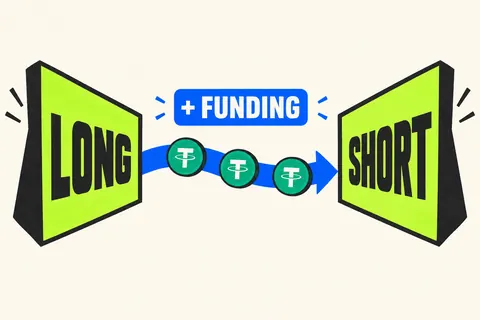
Funding rates explained
Why you pay—or get paid—to keep a futures trade open, and where to find that payment.

Positive vs negative funding
Work out who pays when funding is positive or negative. The sign alone doesn’t predict the market.

Calculate each funding payment
Calculate funding payments using your trade size, the rate and when each payment happens.

Hourly vs eight-hour funding
Compare funding charged every hour with funding charged every eight hours over the same time.
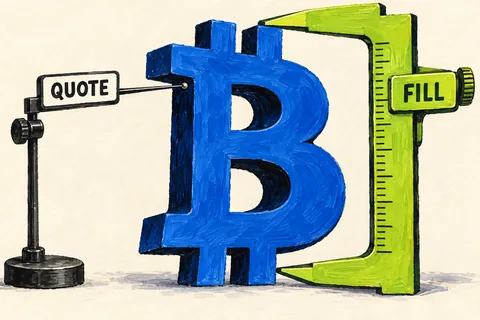
Premium index vs tradable basis
Why futures and spot prices differ, and how that difference connects to funding payments.

Funding caps, floors and clamps
See how exchanges limit funding rates and why several capped payments can still add up.
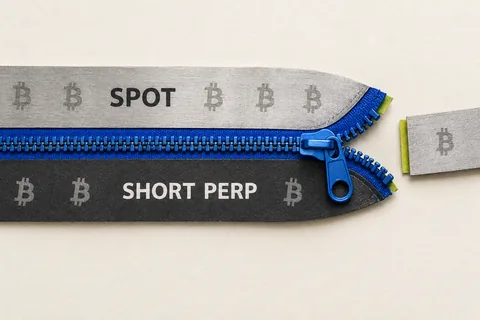
Funding arbitrage after costs
Can funding payments cover the cost of holding two opposite trades? Work through the full bill.
Place the order you mean to place
Order buttons, trading charges and the price you actually get.

Maker vs taker fees
Why waiting for another trader to fill your order can cost less than buying or selling immediately.

Market, limit and stop orders
Buy now, wait for a price or set an exit in advance. Choose the order that does the job.

Post-only, reduce-only and time-in-force
Decode the extra options on an order form, from post-only to instructions that only close trades.
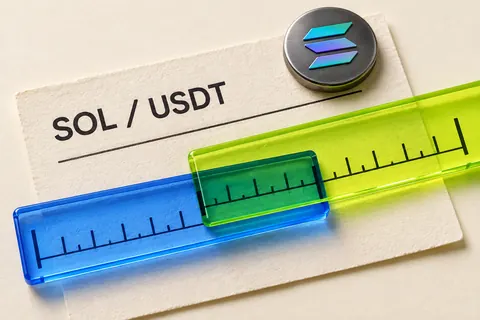
Spread vs slippage
Tell the difference between the buy–sell price gap and the price changing as your order fills.

Order-book depth and weighted fill price
See how a larger order uses offers at several prices, and calculate what you’d pay on average.
Are VIP fee discounts worth it?
Work out whether a lower fee is worth the trading volume or token balance needed to qualify.
API limits, timeouts and execution latency
What a trading bot should do when an order times out, a connection drops or requests are limited.
Explore leverage and wallet trading
Higher multipliers, different ways to trade and what happens behind a wallet connection.

10x: position risk vs account exposure
Compare two trades at 10× and see why their size matters as much as the multiplier.

50x: costs, stops and usable margin
At 50×, small fees and price changes use more of your deposit. Follow a trade through its exit.

100x to 1000x: product limits and costs
Look inside extreme-leverage offers: tiny price moves, fees and special product rules all matter.

CEX, order-book DEX or pool?
Compare trading through an exchange account, a wallet order book or a shared pool of funds.

Perp DEX aggregators and routing
What happens when one app sends your trade to another platform, and who holds the position.

Oracle and sequencer interruptions
How a delayed price or network interruption can affect your orders and planned exits.

Perp vaults: returns and withdrawals
Where a trading vault’s returns come from, what can cause losses and when you can withdraw.